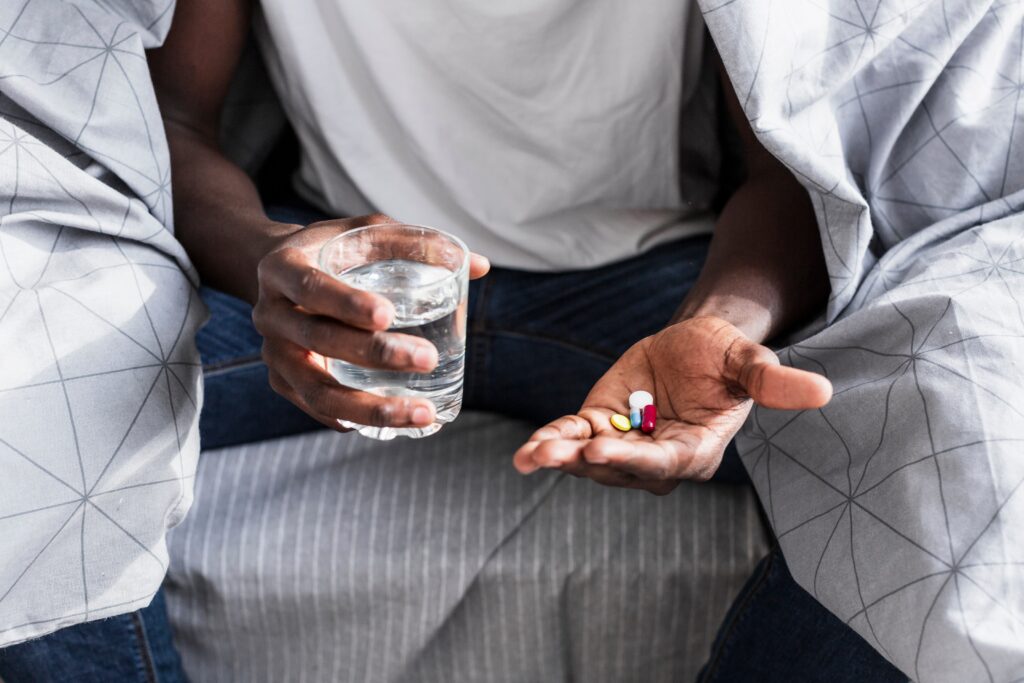
Imagine this: you fall sick, go to the pharmacy, get antibiotics… and they don’t work.
Scary, right? That’s exactly what’s happening to more and more Nigerians because of something called antimicrobial resistance (AMR)—a growing crisis that’s quietly making once-treatable infections potentially deadly.
What Is AMR?
Antimicrobial resistance (AMR) occurs when bacteria, viruses, fungi, or parasites evolve to resist the drugs designed to kill them. These microbes survive, multiply, and continue to cause illness—even after taking medication.
It’s not a “foreign problem.” It’s happening right here in Nigeria. According to the World Health Organization, AMR is one of the top 10 global public health threats facing humanity. Over 4.95 million deaths globally in 2019 were associated with AMR, and low- and middle-income countries like Nigeria are especially at risk due to weak regulations and limited lab infrastructure.
What’s Causing It?
Several everyday practices are speeding up the resistance problem, often without people realizing it:
-
Overusing antibiotics
Many Nigerians buy antibiotics over the counter—without prescriptions. They take them for common colds, catarrh, or sore throats (usually viral), which don’t require antibiotics at all. -
Not completing prescriptions
You feel better after two days and stop the meds. But the strongest bacteria might still be alive—and now they know how to survive the antibiotic. -
Lack of proper lab testing
Doctors often prescribe antibiotics blindly without knowing which bacteria is causing the infection. That’s like shooting arrows in the dark. -
Poor quality or counterfeit drugs
Substandard antibiotics contribute to incomplete treatment and encourage resistance.
Why Testing First Is Critical
One of the best defenses against AMR isn’t a new drug—it’s proper diagnosis.
✅ Bacterial Identification
A lab culture can pinpoint the exact microbe causing your infection—whether it’s a bacteria, virus, or fungus.
✅ Antibiotic Sensitivity Testing
Once the culprit is identified, this test shows which antibiotics will actually work against it. This prevents you from taking medication that’s ineffective and possibly harmful.
Without these tests, you could spend money, time, and your health using drugs that have no impact—while the infection worsens.
What You Can Do
While the government and medical community have their part to play, you also have power in this fight. Here’s how:
-
Don’t self-medicate. Even if you’ve “used it before,” consult a healthcare provider first. Misusing antibiotics weakens their effectiveness over time.
-
Finish your full prescription. Even when you feel better. Incomplete use helps bacteria adapt and become resistant.
-
Insist on testing before treatment. Especially if your symptoms persist or you’re being prescribed antibiotics often. Waiting a few extra hours for test results can save your life and protect others.
-
Support and use trusted diagnostic labs. The more people rely on accurate testing, the more responsible and effective our healthcare system becomes.
Final Word
The next time you’re considering going to a diagnostic lab, remember: these aren’t just places to get test results. They’re frontline defenders in the war against drug-resistant infections.
Every time you make the right choice—by not self-medicating, by completing your dose, or by insisting on proper testing—you’re not just protecting yourself. You’re protecting your community, your family, and future generations from a future where simple infections become untreatable.
Let’s not wait until it’s too late.